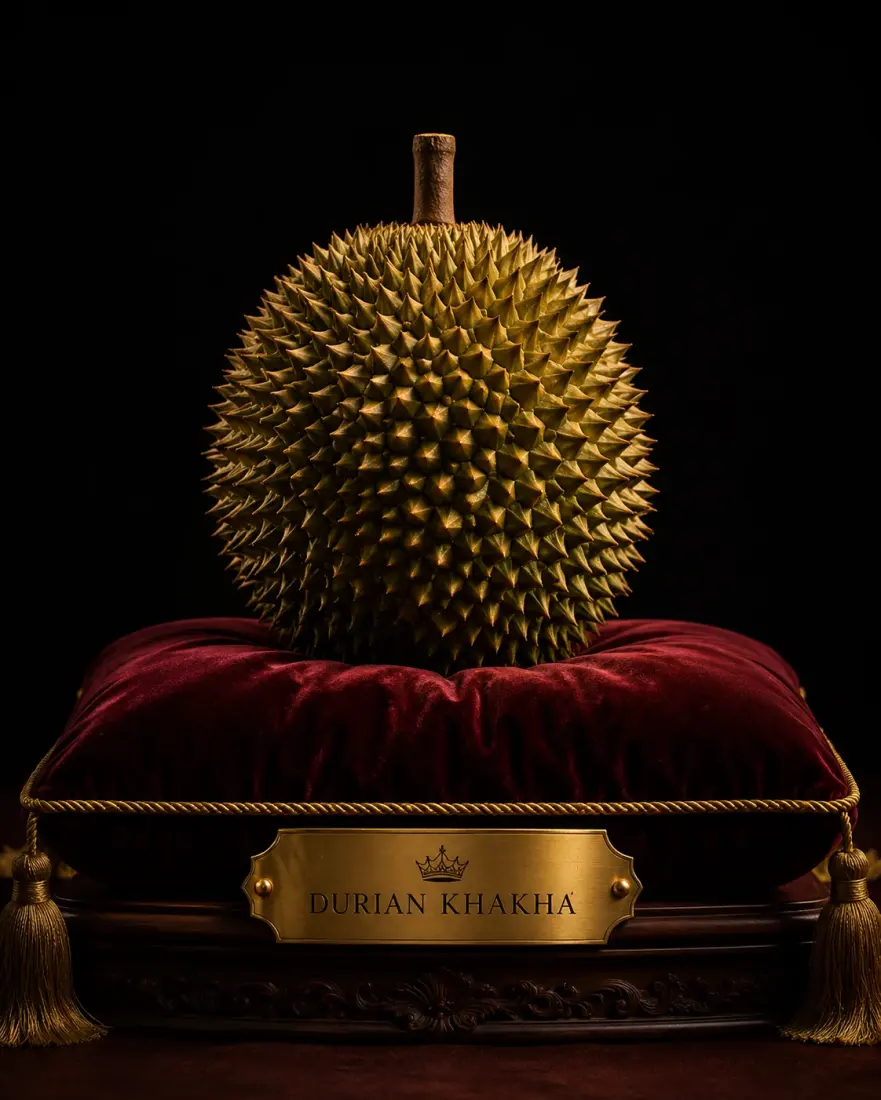
Walk through any night market in Penang, Bangkok, or Singapore between June and August, and you will notice one fruit stall that draws the longest queue. The smell arrives before the stall does — sweet, fermented, impossible to ignore. People either walk toward it or away from it. That fruit is durian, and across Southeast Asia, it carries a title no other fruit claims: King of Fruits.
But titles can be marketing. So what actually earned durian this reputation? The answer is not one single thing. It is a combination of flavour complexity, nutritional density, cultural weight, and the sheer difficulty of growing it well.
The Flavour Argument
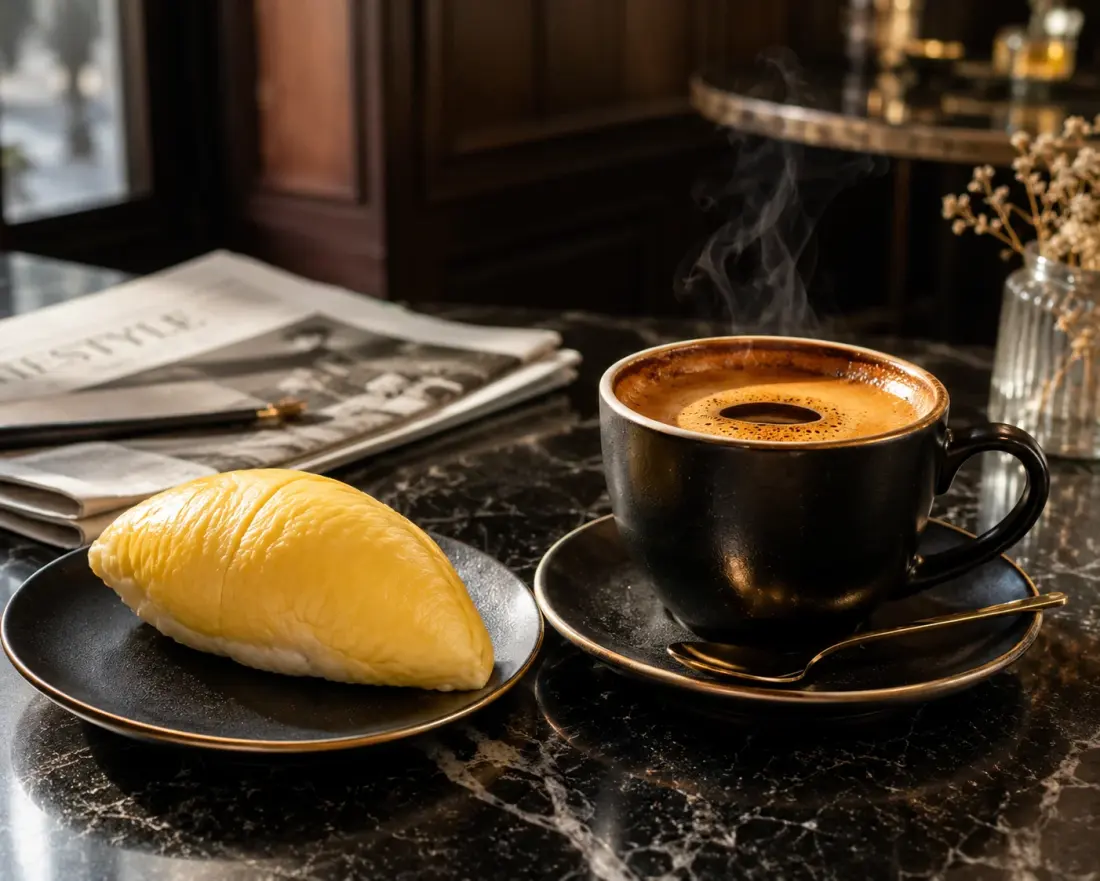
Most fruits taste like one thing. A mango is sweet. A lime is sour. Durian does at least five things at once. A ripe Musang King aril delivers sweetness in the range of 37–48 Brix at peak maturity, a creamy fat content that feels closer to custard than fruit, a faint bitterness in the aftertaste, and an aromatic depth that includes notes of caramel, roasted almond, and something almost alcoholic. No other common fruit covers that range in a single bite.
This complexity is not accidental. Durian has over 40 identified volatile compounds responsible for its aroma, including ethyl propanoate, which gives the fruity sweetness, and 1-(ethylsulfanyl)ethanethiol, which contributes the sulphurous edge that first-time eaters notice. The balance of these compounds shifts between varieties, which is why D24 tastes noticeably different from Black Thorn or Red Prawn.
The Nutritional Argument
Durian is one of the most energy-dense fruits available. A 100-gram serving of fresh durian contains roughly 147 kcal, 3.8 g of dietary fibre, and meaningful amounts of vitamin C (around 20% of daily value), thiamine (around 30% of daily value), and potassium. It also contains healthy fats — mostly monounsaturated — at about 5 g per 100 g, which is unusual for a fruit.
Compare this to a banana at 89 kcal per 100 g or an apple at 52 kcal. Durian delivers more than double the energy, along with a broader micronutrient profile. For rural communities in Southeast Asia, this caloric density has historically made it a practical food, not just a luxury.
The Cultural Argument
The "King of Fruits" title did not come from a marketing campaign. It grew out of centuries of regional reverence. In Malay literary tradition, durian appears in folk sayings and proverbs as something worth travelling for. In Thailand, the first durian harvest of the season is treated as an event. In Chinese-Malaysian communities, families plan reunion dinners around durian season the way others plan around mooncakes.
There is also the pairing with mangosteen — the so-called "Queen of Fruits." The two are sold together, eaten in sequence, and believed to balance each other: durian heating, mangosteen cooling. This complementary relationship reinforces durian's top position in the fruit hierarchy.
The Difficulty Argument
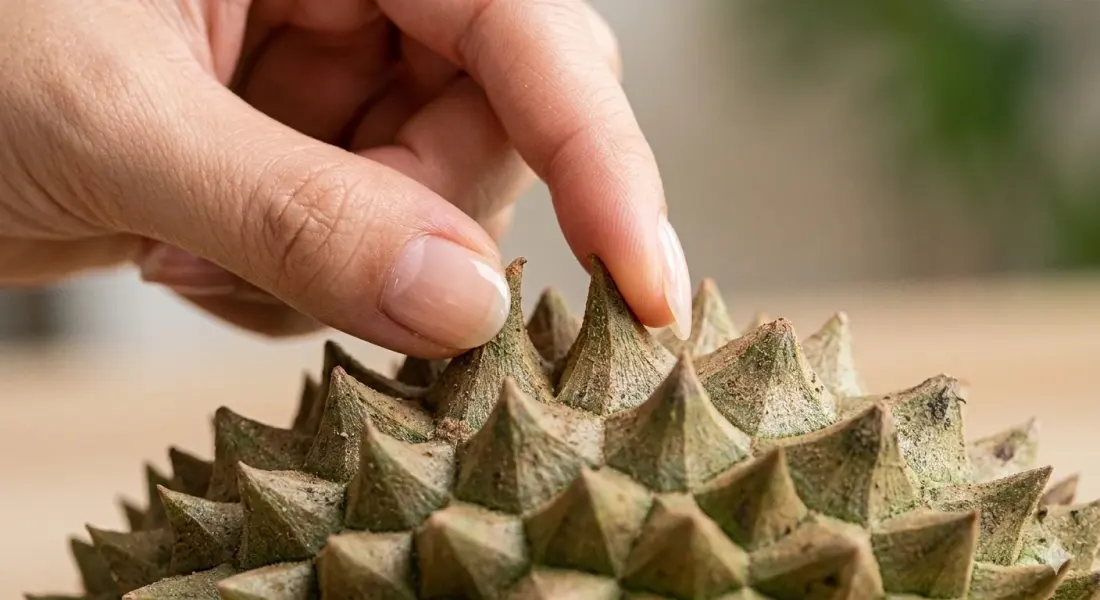
A durian tree often takes 7 to 12 years to bear fruit from seed, and 4 to 6 years if grafted. The fruit itself is fragile — it drops when ripe, splits if it hits the ground wrong, and begins deteriorating within 48 hours of harvest if not chilled. Long-distance export usually means freezing the whole fruit at -18°C or quickly processing it into paste.
This difficulty creates scarcity, and scarcity reinforces value. A single Musang King durian can sell for RM60–120 at farmgate during peak season. The economics of durian farming have turned it into a serious agricultural investment across Malaysia, Thailand, and increasingly Vietnam and Cambodia.
Practical Takeaway
If you are trying durian for the first time, start with a variety known for approachable flavour — D101 or Red Prawn are good entry points. Eat it at room temperature, not ice cold, because chilling mutes the aromatic compounds. And give yourself permission to not like it. The "King of Fruits" title reflects cultural consensus, not a universal taste preference.
Fresh durian, farm-direct. Stock changes daily — WhatsApp us before you visit.
Check Today's Stock