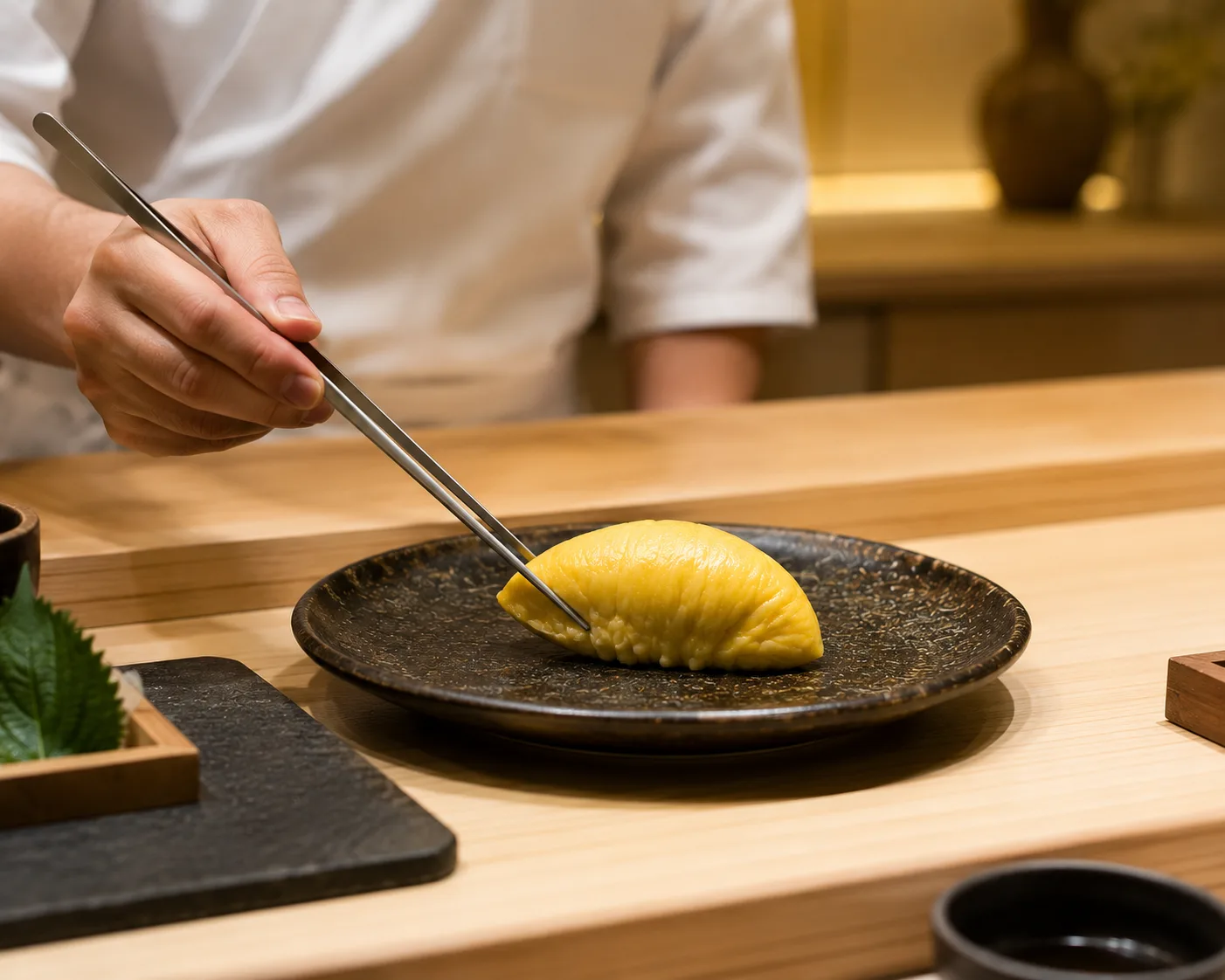
Durian omakase is one of the more unusual food format developments in Southeast Asia's premium dining scene. Borrowed from Japanese culinary tradition — where "omakase" (おまかせ) means "I leave it to you," with the chef curating each course — durian omakase applies the same principle to fruit: a seated, sequenced experience where a knowledgeable host serves 6–10 durian varieties in a curated order, with explanation, at a table set for focused eating.
In Singapore and Kuala Lumpur, established durian omakase sessions run SGD 80–200+ per person. Some sessions in Penang, close to major orchards, run at lower price points with fresher fruit.
This format exists because durian, consumed thoughtfully and in sequence, is genuinely a different experience from eating randomly at an orchard pile. Whether that experience is worth the price is a separate question from whether the format makes sense — and it makes sense.
How Durian Omakase Works
Setting: A seated experience — typically 4–12 guests at a table, indoors in an air-conditioned space (essential for controlled serving temperature and for containing the aroma). Some venues operate in private rooms.
Sequence: The host (typically a durian specialist or the orchard owner themselves) selects 6–10 varieties and serves them in sequence, typically from mild to complex. A structured progression might look like:
- D101 or D24 — clean baseline sweetness
- Red Prawn (Ang Hae) — creamier, richer, slightly more complex
- Tekka — less common, highly flavoured
- D175 or XO — further flavour complexity
- Black Thorn (D200) — bittersweet, distinctive, high aromatic profile
- Musang King (D197) — complex bittersweet finish, the reference variety
Explanation: Part of the format is narration — the host explains the variety, its origin, the characteristics to look for, and ideally the specific tree it came from. This educational component is what separates omakase from a regular buffet.
Serving temperature: Durian should be served at approximately 12–15°C for optimal aroma and flavour expression. Cold durian (below 10°C, just out of a refrigerator) has suppressed volatile compounds — the aroma and flavour are muted. Room temperature durian (above 20°C in Singapore's ambient) has overly active volatile compounds that can feel harsh. The 12–15°C window is the sweet spot.
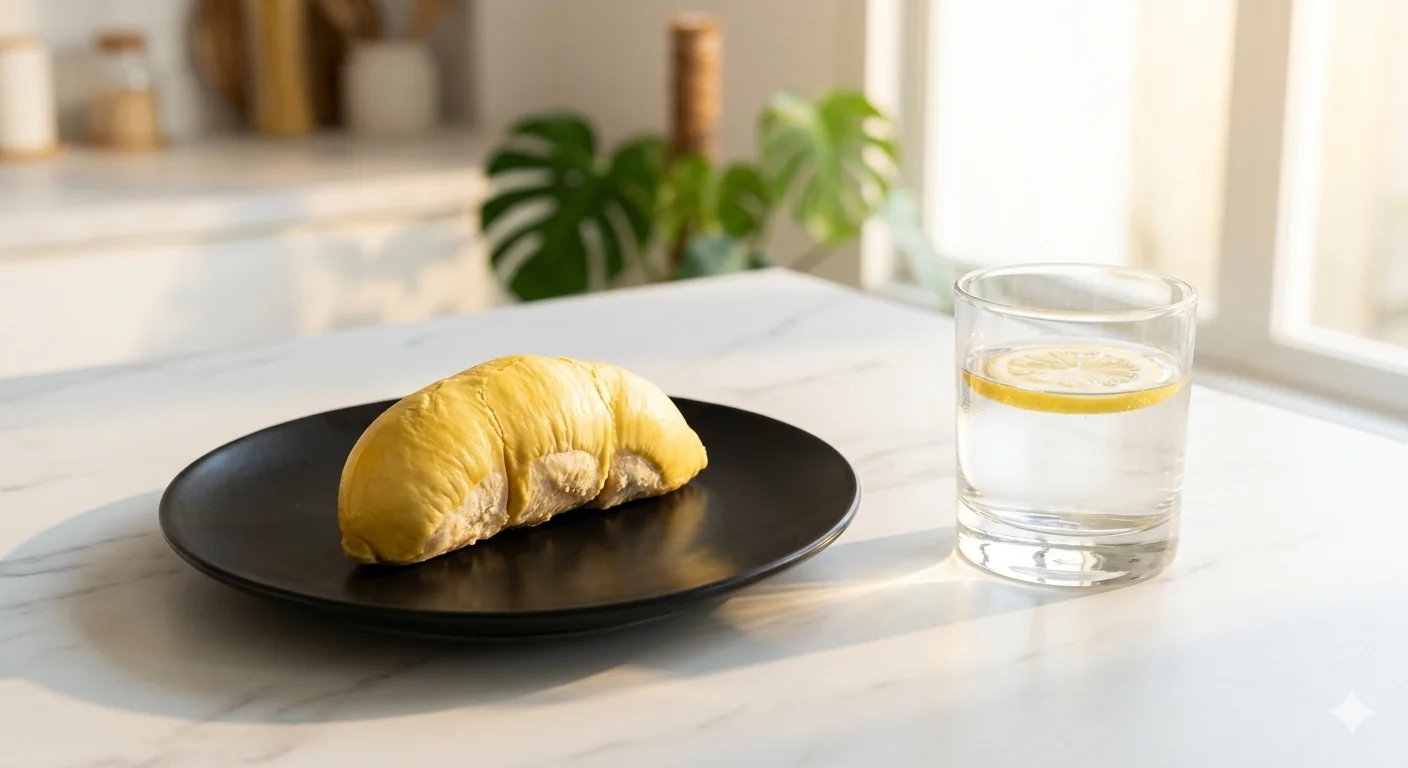
Glassware or tasting vessels: Higher-end omakase sessions may serve durian in individual bowls or on tasting plates rather than on bare table surface — aesthetics matter at these price points.
Palate cleansers: Water, mangosteen slices, or both between varieties. The purpose is to reset sulfur saturation between sessions.
Why the Format Commands Premium Pricing
Curation: Not all fruit at a buffet is equal in quality. An omakase operator selects specific fruits from specific trees on specific days — the curation cost is real. A Musang King tree at peak ripeness on the day of the session is different from a Musang King fruit that has been sitting at room temperature for two days.
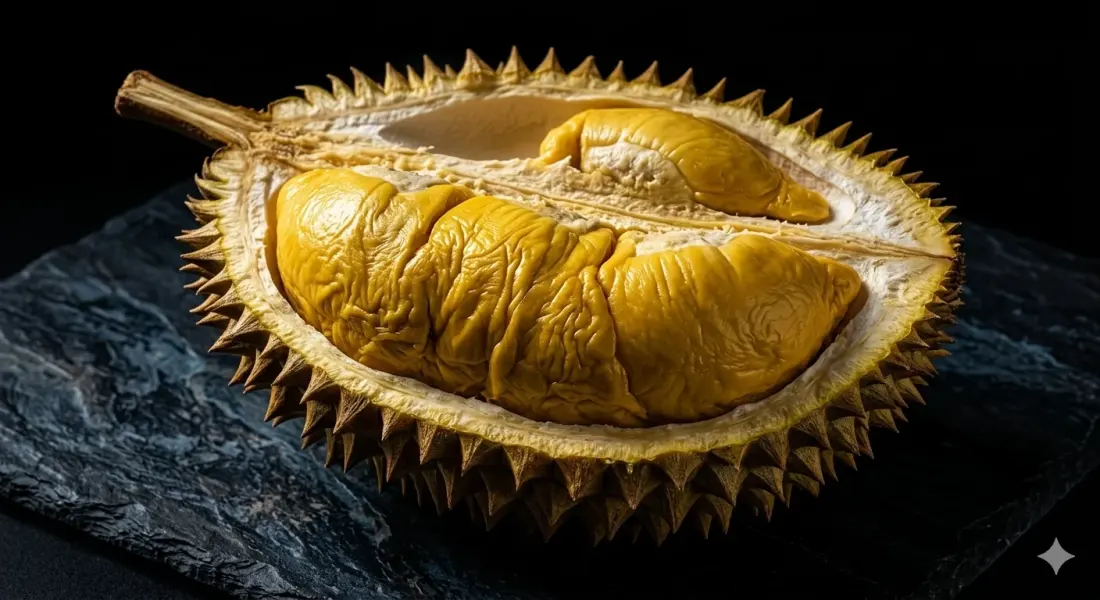
Expertise: The host's knowledge is part of the product. Explaining the difference between D200 Black Thorn's amber flesh and D197 Musang King's turmeric-yellow cream — not just labelling, but explaining flavour origin, growing conditions, and what to notice in the eating — is a service with value.
Scarcity of varieties: Black Thorn, Tekka, and rare clones are not available year-round or in large quantities. An operator who maintains relationships with specific orchards to access these varieties on appropriate ripeness schedules is providing genuine logistics value.
The atmosphere: An air-conditioned, seated, conversational eating experience is simply different from standing at an orchard pile in 33°C heat. For consumers who want the flavour depth but not the agricultural setting, the format delivers.
Singapore vs Malaysia: Format Differences
Singapore: Higher price points (SGD 80–200+ per person). Venues tend to be more refined — private rooms, appointed interiors, formal service. The durian is often sourced directly from Malaysian orchards and transported overnight. Some Singapore omakase operators have exclusive sourcing arrangements with specific Pahang farms. The premium reflects logistics, scarcity management, and the Singapore dining premium generally.
Kuala Lumpur: Mid-tier price points (RM 80–200 per person). Greater variety selection from closer sourcing. Some KL omakase operators run sessions at the orchard directly or within 30 minutes of orchards. The proximity advantage means fresher fruit and wider variety access.
Penang: Orchard-proximate format at RM 50–100 per person. Less formal but often featuring greater variety depth due to Penang's diverse microclimate orchards and proximity to the island's specialty varieties (Black Thorn originates from Penang). The format is more conversational and agricultural than urban.
Is It Worth It?
The value calculation depends on what you're paying for.
If you want to learn: Durian omakase is an efficient format for rapidly expanding durian knowledge. Six to ten varieties in sequence, with expert explanation, builds palate recognition faster than any other format.
If you want to eat durian: A buffet or orchard visit at RM 40–80 provides more total fruit at significantly lower cost. The omakase format is not optimized for quantity.
If you want a social experience: Small-group, seated, conversational durian eating is a genuinely different social format from an orchard buffet. For the right group and occasion, it is appropriate.
The honest assessment: Durian omakase at SGD 100–200 per person is a premium experience calibrated to a specific consumer — someone who already loves durian, wants to deepen their knowledge, and is willing to pay for curation and atmosphere. It is not value-optimized for the casual durian eater.
Practical Takeaway
If you go: book in advance (capacity is typically 4–12 seats per session), confirm what varieties will be served, ask about the orchard sourcing, and do not eat a large meal beforehand — you are there to taste, not eat your fill.
Common Questions
SGD 80–200+ per person in Singapore. RM 80–200 per person in Kuala Lumpur. RM 50–100 in Penang orchard-adjacent formats. Premium includes variety selection, curation, expert narration, and in Singapore cases, cross-border logistics.
6–10 varieties in a standard session. Premium extended sessions may reach 12–15 varieties. The practical limit is palate saturation — beyond 8–10 varieties in sequence, even experienced durian eaters struggle to accurately distinguish flavour profiles.
Most operators set the menu based on what is at peak quality on the session date. Some will accommodate specific requests if given advance notice and the variety is available. This is consistent with the "omakase" philosophy — you trust the host's judgment on what is best that day.
The terms overlap. "Omakase" implies the host-curated sequencing format and the explanation element. "Tasting" may just mean trying multiple varieties side by side without structured sequencing or narration. The premium omakase format includes the educational component.
Arrive with an empty or light stomach. Avoid perfume or strongly scented products — it interferes with aroma evaluation. Be prepared to engage — the host's narration is part of the experience, not background noise. Bring water and be ready to pace yourself.
Want to try fresh durian from our farm? We grow it at our own Bukit Serampang orchard in Tangkak, Johor, and sell it at our Melaka Mall stall. Stock varies daily — WhatsApp to confirm availability before you visit.
Ask About Today's Fruit