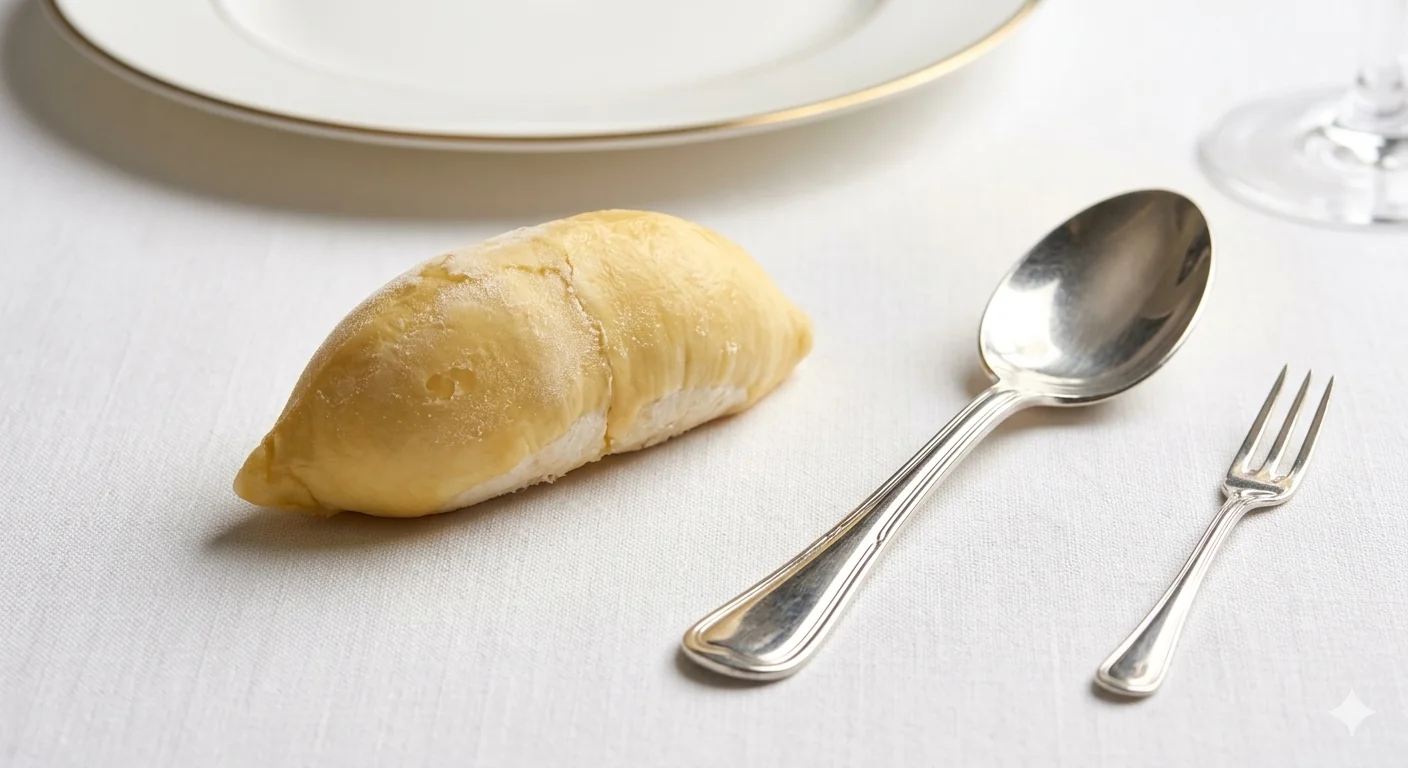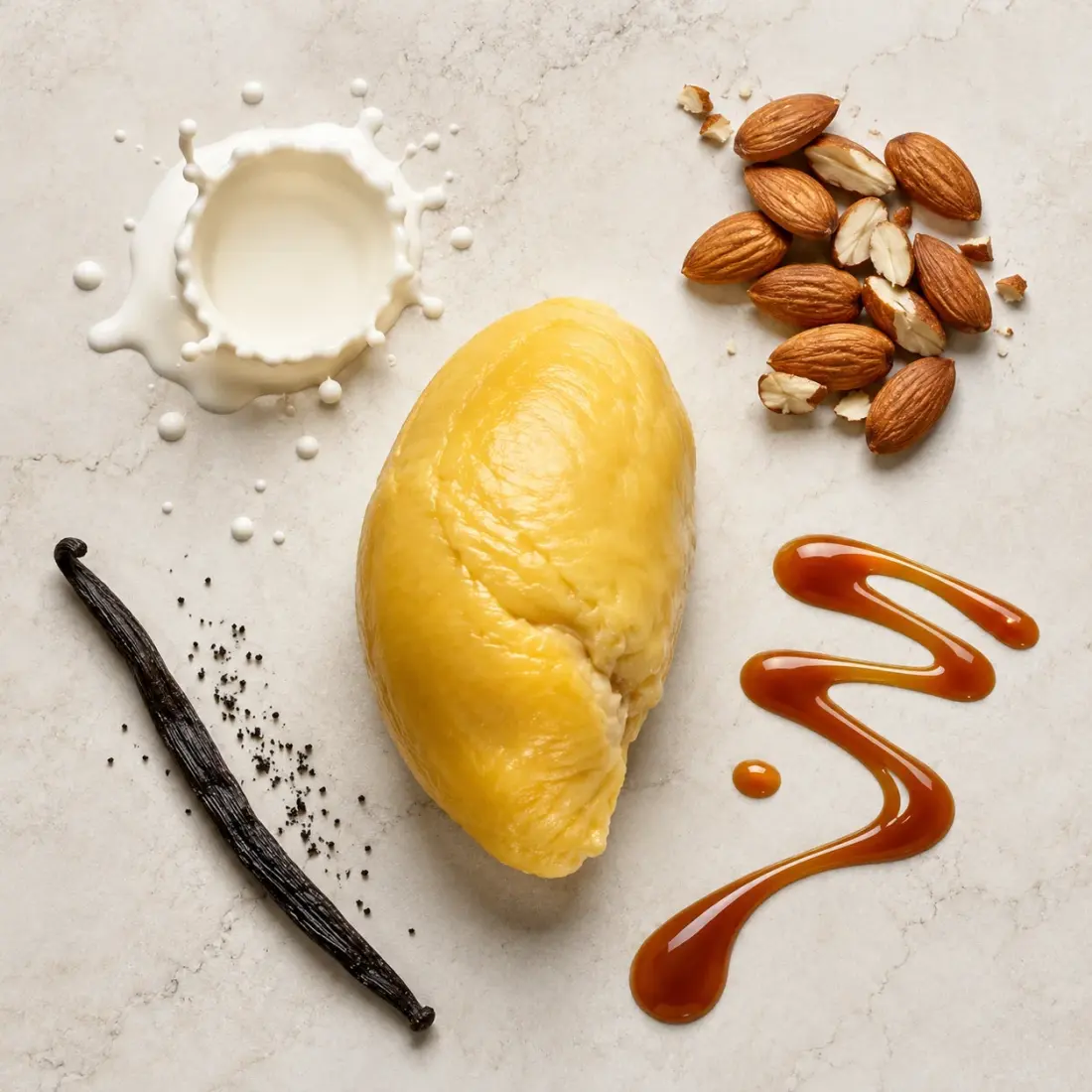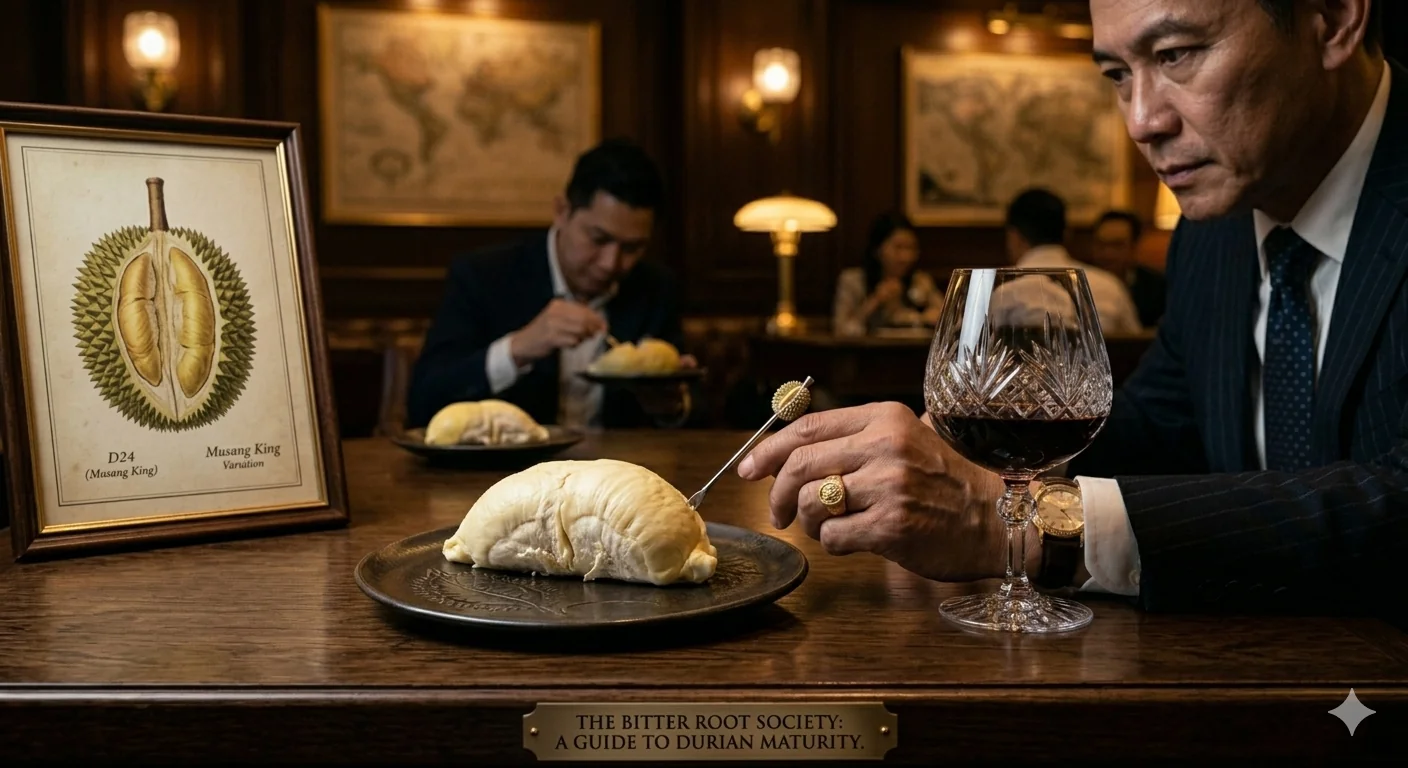
Bitter durian is not automatically bad durian. In Malaysia, many experienced eaters actually look for a bitter-sweet finish, especially in cultivars such as Musang King, D24, and some old-tree kampung durians. The bitterness gives depth. It stops the fruit from tasting like plain sugar.
But not all bitterness is the same. A clean bitter note can be pleasant, like dark chocolate or strong coffee. A harsh bitter-sour taste, especially with watery flesh or alcohol smell, is a warning. To understand the difference, we need to look at variety, maturity, ripening, and the complex chemistry behind durian aroma.
Bitterness Can Be a Cultivar Trait
Different durian cultivars carry different flavour profiles. Some are mainly sweet and mild. Some are creamy and nutty. Some are naturally bitter-sweet. This is why one durian tree can produce fruit that tastes very different from another tree even when both are ripe.
Musang King is often described as dense, fatty, and bitter-sweet. D24 can have a calmer bitter note with a nutty finish. Kampung durian varies widely because many trees are seed-grown, not identical clones. In these cases, bitterness is part of the fruit's identity, not a defect.
Ripeness Changes the Bitter-Sweet Balance
During ripening, durian flesh changes in texture, sweetness, aroma, and volatile compounds. Research on durian ripening shows shifts in primary metabolism and aroma pathways, including amino acids, esters, and sulfur-containing volatiles. These changes help form the ripe durian smell and taste.
If the fruit is slightly underripe, the bitterness may feel dry, green, or astringent because sweetness and fat have not fully rounded it out. If the fruit is properly ripe, bitterness can sit behind the sweetness and make the flavour deeper. If the fruit is overripe, bitterness may mix with sourness and alcohol notes, which is less pleasant.
Aroma Compounds Shape How Bitterness Feels
Durian flavour is not only what the tongue tastes. Much of the experience comes from aroma. Studies have identified esters, sulfur compounds, alcohols, aldehydes, ketones, and other volatile compounds in durian. Esters often contribute fruity and sweet impressions, while sulfur compounds help create the strong savoury, onion-like, and durian-specific aroma.
This matters because bitterness can feel different depending on the aroma around it. A bitter note with creamy, sweet, fruity aroma can taste rich. The same bitter note beside sour or alcoholic aroma can feel rough. That is why buyers should judge bitterness together with smell and texture, not by taste alone.
Fermentation Can Make Bitterness Harsh
Durian naturally develops stronger aroma as it ripens. A mild fermented note can be normal in ripe fruit. But once fermentation goes too far, the flavour can shift toward sour, alcoholic, fizzy, or sharp. At that point, bitterness is no longer the pleasant bitter-sweet style people like.
Overripe durian may also become wetter. The flesh can collapse, liquid may collect in the container, and the smell may turn sour. If bitterness comes with these signs, it is better to avoid the fruit rather than call it a strong-flavoured durian.
Does Bitter Mean the Durian Is More Mature?
Sometimes mature durian tastes more bitter because the aroma and flavour have developed fully. But bitterness alone does not prove maturity. An immature fruit can also taste bitter in a dry, green, unpleasant way. A fruit can be bitter because of cultivar, maturity, over-ripening, or poor handling.
The better question is whether the bitterness is balanced. Good bitter durian usually has sweetness, fat, aroma, and a creamy or dense texture. Bad bitterness usually feels hollow, sour, watery, or medicinal.
How to Choose Bitter-Sweet Durian at a Stall
If you like bitter durian, tell the seller you want bitter-sweet, not sour. Ask for a fruit with firm creamy flesh, not wet flesh. Smell the opened section. It should smell rich, sweet, and savoury, not sharp or alcoholic.
Taste a small piece if the stall allows. Good bitter-sweet durian starts with sweetness and creaminess, then finishes with a clean bitter note. If the bitterness arrives with sourness, wateriness, or a burning alcohol edge, choose another fruit.
Stress Compounds from the Tree
Durian trees under environmental stress produce different chemical profiles in their fruit. Several stressors increase bitter compounds:
- Drought stress: When the tree does not receive consistent water in the 6–8 weeks before harvest, the fruit concentrates defensive compounds, including bitter phenolics.
- Excessive heat: Prolonged temperatures above 35°C during fruit development can alter the fatty acid composition, leading to harsher, more astringent flavours.
- Nutrient imbalance: Too much nitrogen relative to potassium in the final month pushes vegetative compounds into the fruit rather than sugars and fats.
Orchard owners who irrigate consistently and manage canopy cover tend to produce sweeter, more consistent fruit. It is one reason why durian from well-managed farms tastes different from fruit collected near the edge of a forest.
Post-Harvest Handling and Ripening
Even a perfectly mature durian can develop off-flavors after harvest:
- Temperature abuse: If stored above 30°C, the flesh can undergo uneven ripening. Some cells break down faster, releasing bitter-tasting amino acids and peptides.
- Freezer burn or ice crystal damage: Durian frozen at incorrect temperatures (above -18°C or with temperature fluctuations) develops ice crystals that rupture cell walls. When thawed, the damaged cells leak compounds that taste flat and bitter.
Not sure whether you prefer sweet or bitter? Our sweet vs bitter durian guide matches varieties to your taste.
Practical Takeaway
Durian tastes bitter because of cultivar character, ripeness stage, and the way aroma compounds balance with sweetness and fat. Clean bitterness can be a sign of depth. Harsh bitter-sour flavour can be a sign of under-ripeness, over-ripeness, or poor storage.
For buyers, do not reject bitterness immediately. Learn to separate good bitter-sweet durian from spoiled or immature fruit. The test is balance: sweet, fatty, aromatic, and bitter in the right proportion.
Common Questions
It can be. Clean bitter-sweet durian is valued by many eaters, but sour, watery, or alcoholic bitterness is not a good sign.
Musang King often has a natural bitter-sweet profile, supported by dense texture, strong aroma, and fat-like creaminess.
No. Bitterness alone does not mean spoilage. Spoilage is more likely when bitterness comes with sour smell, alcohol notes, wateriness, or mould.
Yes. Underripe durian can taste dry, green, starchy, or harshly bitter because sweetness and aroma have not fully developed.
As fermentation advances, sour and alcoholic notes can rise. This can make bitterness feel harsh instead of clean.
Ask for bitter-sweet durian with creamy flesh, not sour or watery fruit. Taste a small piece if the seller allows.
Want to try genuine bitter-sweet Musang King from our farm? We sell D197 direct from Bukit Serampang at Melaka Mall. WhatsApp to check today's stock.
Ask About Today's Fruit