Short answer: No. Durian contains no cholesterol at all; dietary cholesterol only comes from animal foods. The things to watch are its sugar (about 27g of carbohydrate per 100g) and its calories.
You have probably heard it from a well-meaning relative: "Don't eat so much durian, it's full of cholesterol." It is one of the most persistent myths in Southeast Asian food culture. The truth? Durian contains exactly zero milligrams of cholesterol. Not low. Zero. Here is why this myth exists and what is actually inside the fruit.
Claim: Durian Is High in Cholesterol
This claim circulates widely, especially among older generations and in casual health conversations. It likely stems from durian's rich, creamy texture — the kind of mouthfeel people associate with cholesterol-heavy foods like butter or egg yolks.
The scientific explanation:
Cholesterol is a lipid found exclusively in animal cells. It is produced by the liver of animals and is present in meat, dairy, eggs, and seafood. Plants do not have livers, do not produce cholesterol, and do not contain cholesterol in any form. Durian (Durio zibethinus) is a fruit. Like all fruits, vegetables, grains, and nuts, it is entirely cholesterol-free.
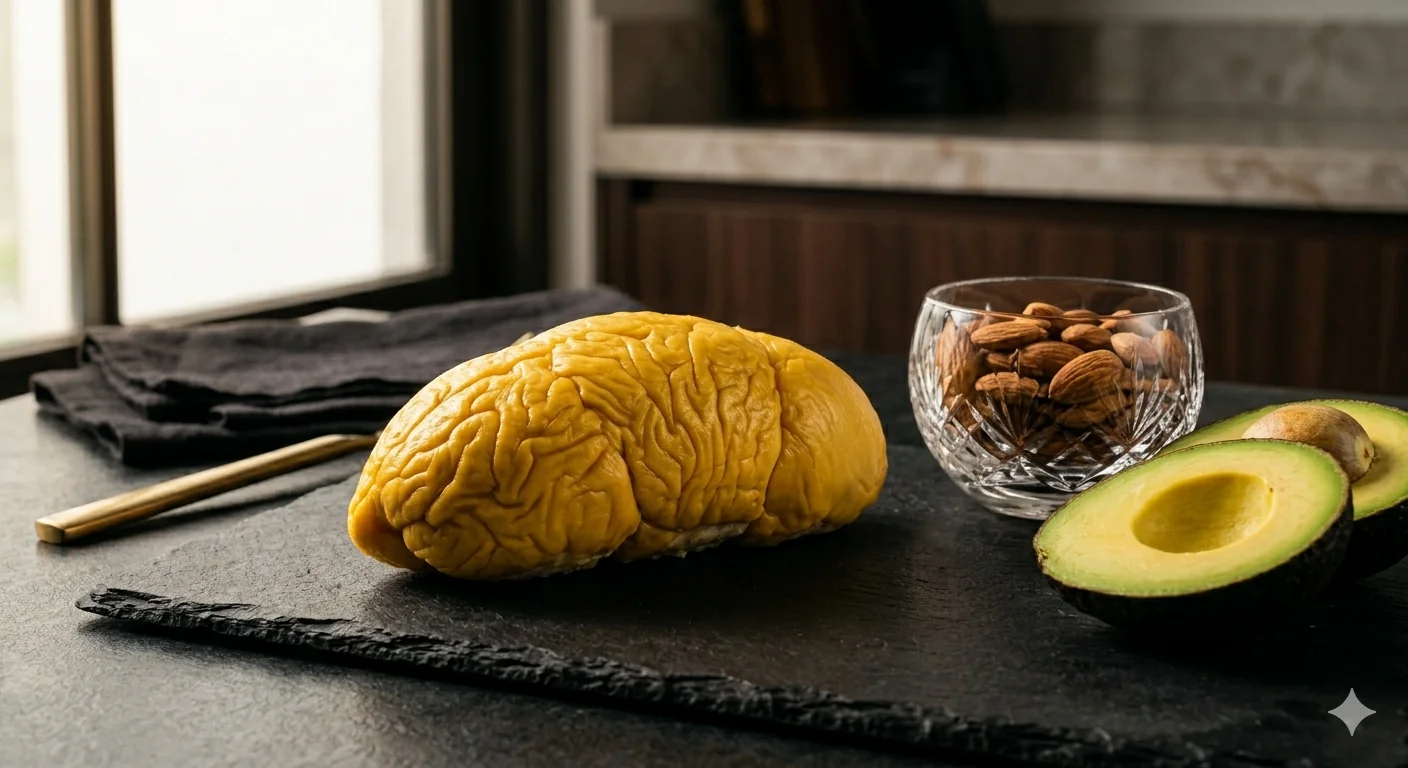
What durian does contain is fat — approximately 3 to 5 grams per 100 grams of flesh, depending on variety. This fat is primarily unsaturated, the same category found in avocados and olive oil. The creamy texture that leads people to assume "this must be fatty" comes from a combination of natural sugars, moisture, and this modest fat content.
Nutritional Profile (Per 100g of Durian Flesh)
| Nutrient | Amount |
|---|---|
| Calories | 147 kcal |
| Total Fat | 3–5g (mostly unsaturated) |
| Saturated Fat | ~1–2g |
| Cholesterol | 0mg |
| Total Carbohydrates | ~27g |
| Fibre | ~3.8g |
| Potassium | ~436mg |
For comparison, a single large egg (about 50g) contains approximately 186mg of cholesterol — all from the yolk. Durian has none.
Why the Myth Persists
1. Texture bias. Rich, creamy foods are mentally categorized as "fatty" and therefore "cholesterol-heavy," even when they are plant-based. 2. Caloric density. Durian is calorie-dense for a fruit (147 kcal per 100g), which leads people to assume it must be loaded with unhealthy components. 3. Confusion with saturated fat. Durian does contain some saturated fat (about 1–2g per 100g), which is completely different from cholesterol. The two are frequently conflated in everyday conversation.
Practical Takeaway
If your doctor has told you to watch your cholesterol, durian is not the culprit. The real dietary sources of cholesterol are animal products — organ meats, shellfish, egg yolks, and full-fat dairy. Durian's actual concern for health-conscious eaters is its carbohydrate content (approximately 27g per 100g) and its calorie density. Eat in moderation — but not because of cholesterol.
Sources
- U.S. Department of Agriculture. Durian, raw or frozen (FDC 168192). FoodData Central. Link
Durian Khakha is a durian grower, not a medical provider. For personal health advice, speak to your doctor.
Fresh durian, farm-direct. Stock changes daily — WhatsApp us before you visit.
Check Today's Stock