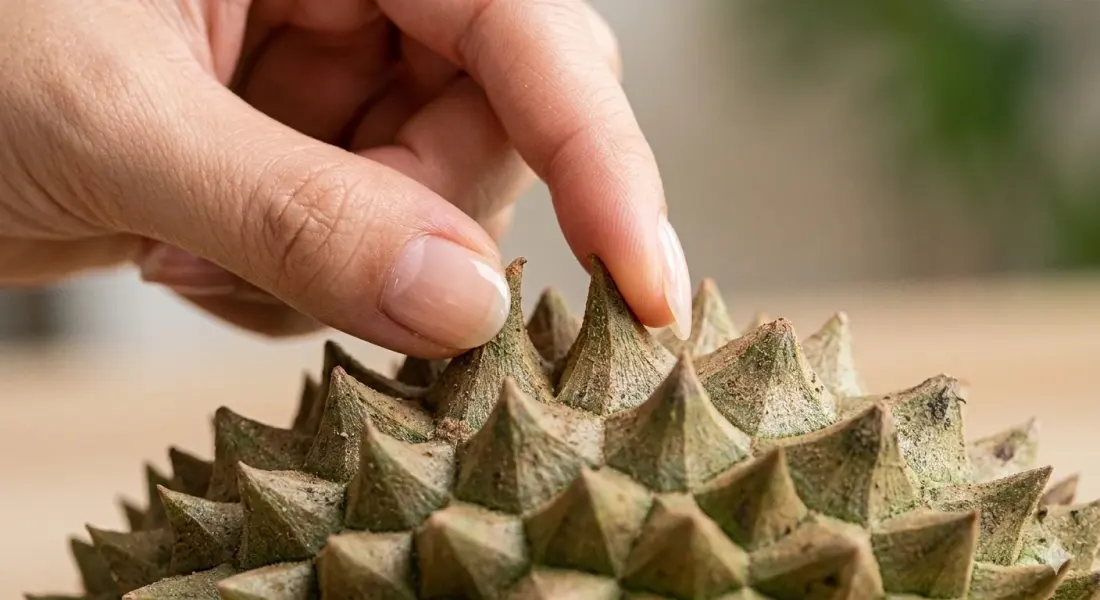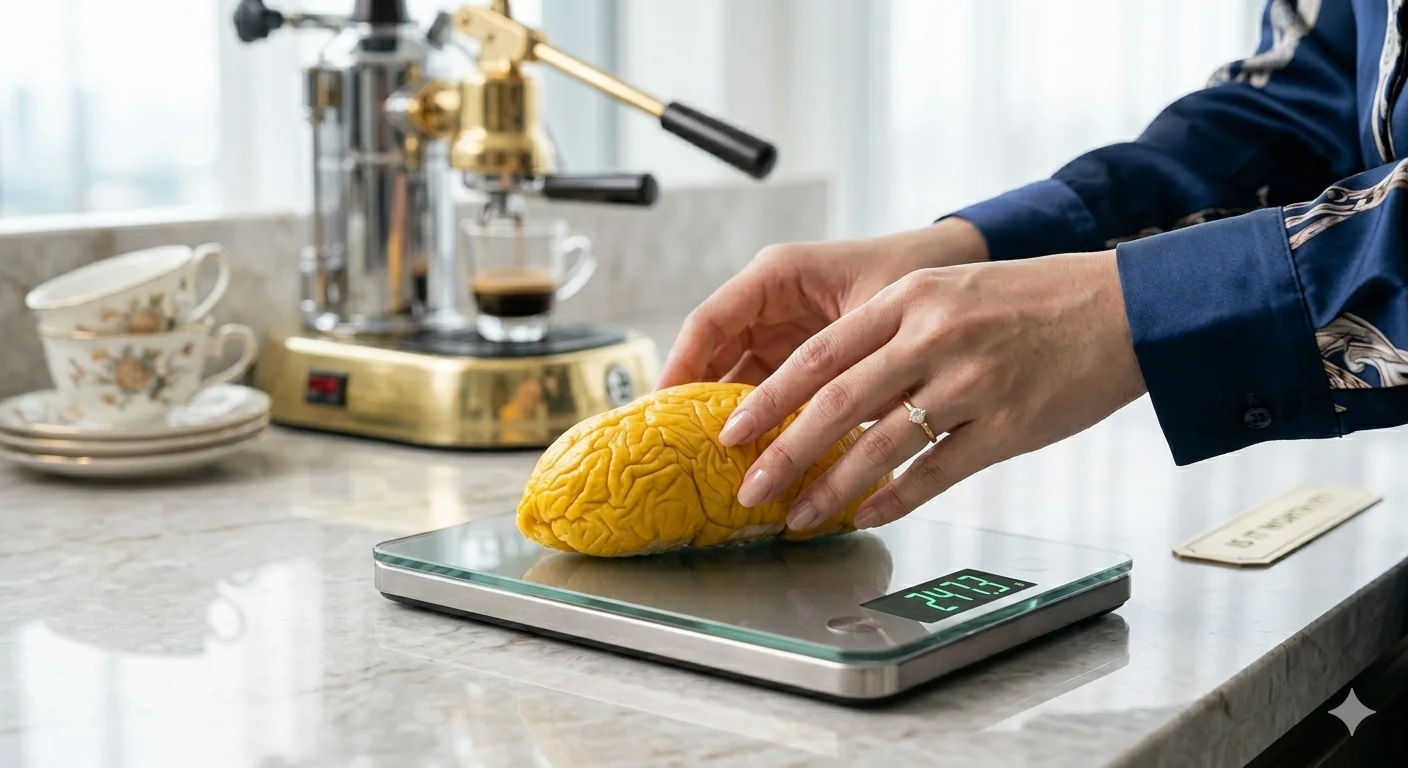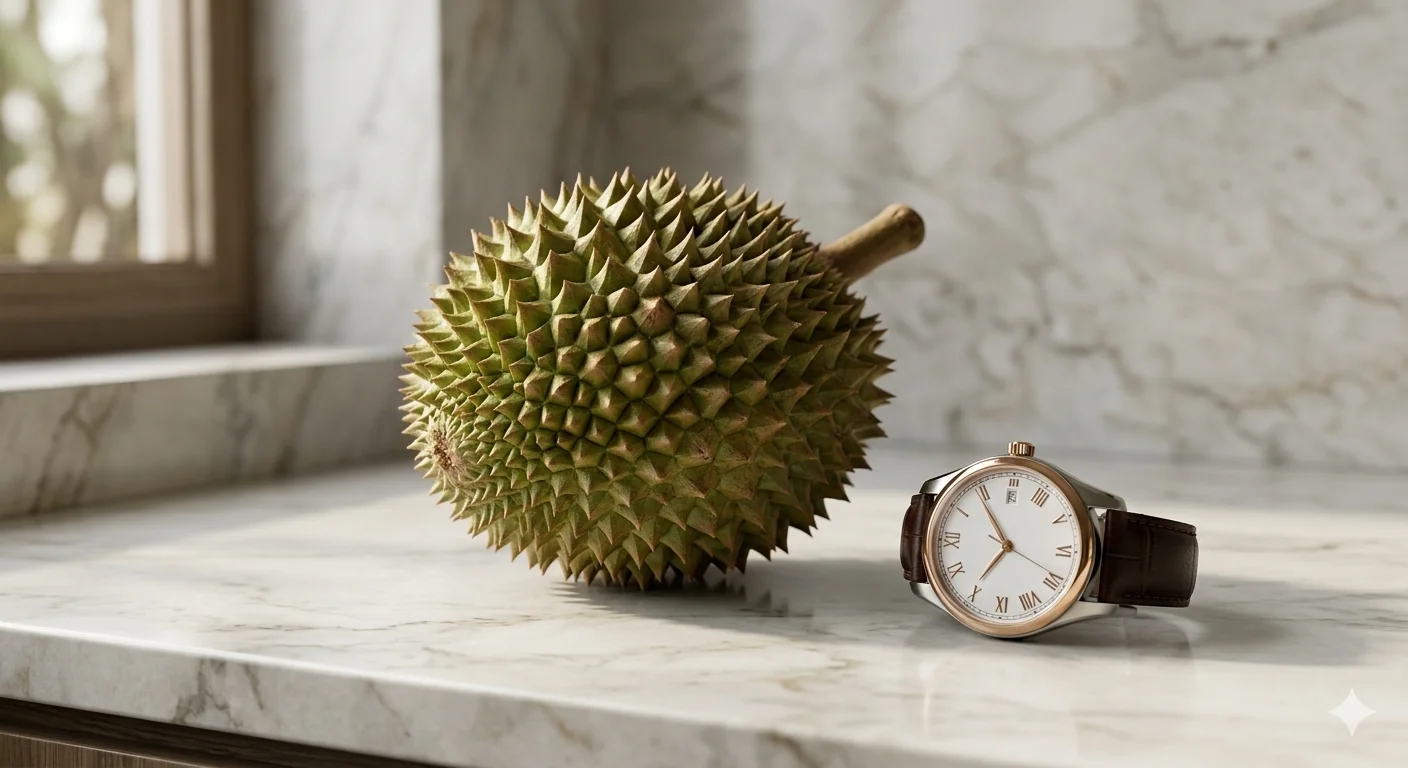
Durian can continue to ripen after it has fallen or been picked — but there is one important condition: the fruit must already be sufficiently mature when it left the tree. If the fruit was picked too early, waiting a few days rarely makes it genuinely good durian.
Many buyers and tourists encounter this situation. A seller says "eat it tomorrow, it will be perfect" — sometimes that is true, because the fruit is just a day away from peak. But if that fruit was harvested too early, it may soften on the outside while remaining dry, chalky, and green-tasting inside, without the sweetness and fat feel.
From our orchard
The durian at our Melaka Mall stall is natural-drop fruit from our own Bukit Serampang orchard, not cut early and left to soften. We grade every fruit A, B or C on the day, and if one we sell you turns out bad, we replace it — one for one.
Durian Is a Climacteric Fruit
Post-harvest research classifies durian as a climacteric fruit. Simply put, durian ripening is related to ethylene — a natural plant hormone involved in the ripening process. Research has observed that durian shows a respiratory and ethylene rise after harvest, with changes in flesh firmness, aroma, and shell-splitting behaviour.
In stall terms: after leaving the tree, durian continues to change for a short time. It keeps consuming its internal reserves, the flesh softens, aroma develops, and the seams may become easier to open. So a ripe-enough durian that smells mild today may smell noticeably stronger tomorrow.
What Improves After Harvest
If the durian was already mature but not yet at its best eating point, waiting can help. Aroma becomes more complete, flesh becomes more custard-like, green notes reduce, and the seams may start to naturally crack. In some varieties, sweetness becomes more pronounced.
But this only completes the final step — it does not start from zero. Durian must first grow to sufficient maturity on the tree. Post-harvest ripening can push a mature fruit to better eating, but it rarely transforms an immature one into deeply flavoured, balanced fruit.
What Waiting Cannot Fix
Immature durian commonly has hard, dry, chalky flesh with pale colour and weak aroma. It can taste green, thin in sweetness, and lacking fat feel. Sometimes after a few days, some sections turn watery while others remain hard — uneven ripening.
So when someone says "I left it two days and it still didn't taste good" — this is common. That fruit may have softened, but it did not ripen beautifully. A mature fruit continues ripening; an immature fruit mostly just ages.
Fallen Fruit vs Picked Fruit
In Malaysia, many buyers prefer naturally fallen durian because the fruit usually leaves the tree at a more mature stage. But fallen fruit is not automatically perfect. If it fell hard, got rained on, or was picked up too late, quality can drop.
Picked fruit is not necessarily bad. Some orchards harvest by maturity age to control transport and sales timing. The real question is: was it mature enough when picked? Mature harvest can still become good; early harvest is much harder to save.
How to Wait for Durian to Ripen at Home
If you have a whole, unopened durian, place it in a ventilated room-temperature spot away from direct sunlight. Put newspaper or a tray underneath — ripe fruit may crack open or drip slightly. Check a noticeably fragrant fruit every few hours.
Do not seal a whole durian in a plastic bag at room temperature. It will become hot and humid inside and the smell can quickly go off. Do not leave it in a hot car. If you notice sour or strongly alcoholic smell, open and inspect immediately.
How to Judge When Buying
If the seller says "eat it tomorrow," ask: is this fruit already ripe enough? A more hopeful fruit usually already has a little aroma, relatively clear seam lines, and does not sound extremely tight when knocked. A fruit with no aroma, very tight seams, and a very hard knock carries more risk.
Once durian has been opened, do not treat it as a whole fruit to let ripen further. Opened flesh should be eaten promptly, refrigerated, or frozen. Leaving it on the table trying to let it "ripen more" mostly just causes it to turn sour, wet, and spoil.
Common Questions
Yes, if it was mature enough at harvest. Post-harvest changes in aroma, softness, and seam opening can continue. But if harvested too early, waiting rarely transforms it into genuinely good fruit.
Only to a limited degree. It may soften, but can still taste dry, chalky, or green if harvested too early.
For a sufficiently mature fruit, noticeable changes typically happen within 1-2 days, but timing varies by variety, temperature, and ripeness level.
Not recommended. Cold slows the ripening process. For post-harvest ripening, keep at ventilated room temperature.
Not recommended. Once opened, eat promptly, refrigerate, or freeze. Leaving it out does not ripen it further — it causes spoilage.
If the fruit has no aroma, very tight seams, hard and dry flesh, and a green taste, it was likely harvested too early.
Want to try fresh durian from our farm? We grow it at our own Bukit Serampang orchard in Tangkak, Johor, and sell it at our Melaka Mall stall. Stock varies daily — WhatsApp to confirm availability before you visit.
Ask About Today's Fruit