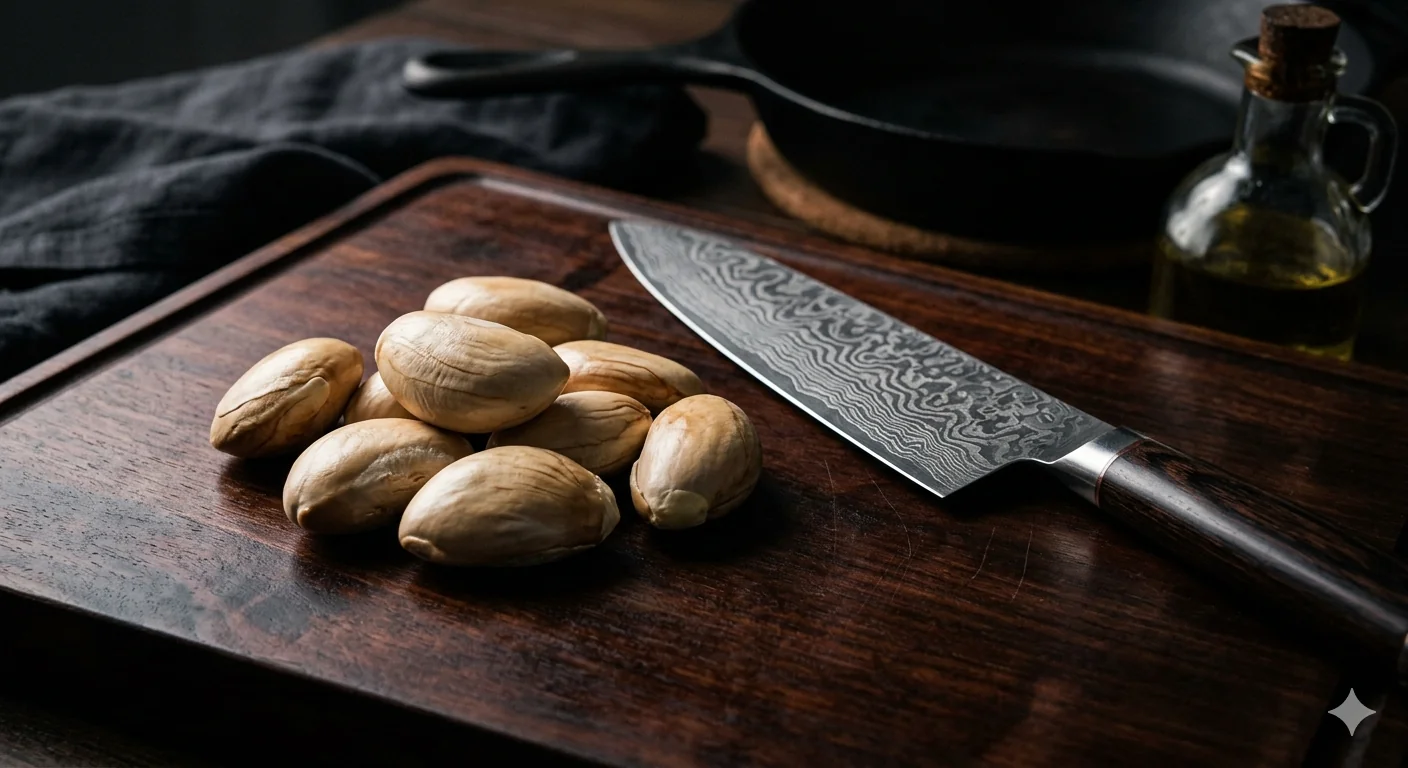
Short answer: Not overnight. A pod has about 40–70 kcal, and gaining 1 kg of body fat takes roughly 7,700 extra kcal. A heavier scale the next morning is mostly water and food weight, not fat. Keep to 3–4 pods and eat a little less at your other meals.
It is one of the most repeated claims in Southeast Asian food culture: eat durian, and the weight goes on immediately. You hear it at the table, in group chats, and from well-meaning relatives. But is a single sitting of durian enough to show up on the scale the next morning? The answer is more nuanced than the myth suggests.
The Calorie Reality
One gram of durian flesh contains roughly 1.4 to 1.5 calories. A medium-sized Musang King pod weighs about 25 to 50 grams of flesh, delivering approximately 40 to 70 calories per pod. A typical session of 5 to 8 pods puts you at 200 to 560 calories, depending on variety and size.
For context:
- A plate of nasi lemak: approximately 400 to 600 calories
- A bowl of curry noodles: approximately 500 to 700 calories
Durian is calorie-dense, but not uniquely so compared to other beloved local foods.
Why the Scale Might Jump the Next Morning
If you weigh yourself the morning after a durian session and see a 0.5 to 1 kilogram increase, that is almost certainly not fat. Here is what is actually happening:
1. Water retention. Durian has roughly 27g of total carbohydrates per 100g. When you consume a large carbohydrate load, your body stores more glycogen. Each gram of glycogen binds approximately 3 grams of water. This alone can account for 0.5 to 1 kilogram of temporary water weight.
2. Sodium and overall meal context. Durian is rarely eaten alone. If your session followed a salty meal or included other foods, the combined sodium intake amplifies water retention.
3. Digestive bulk. Durian contains about 3.8g of fibre per 100g. Food still moving through your digestive system adds temporary mass.
What It Actually Takes to Gain Body Fat
To gain one kilogram of body fat, you need a caloric surplus of approximately 7,700 calories. Even a generous durian session of 700 calories does not come close on its own. Weight gain is a cumulative process over days and weeks, not an event triggered by a single meal.
Practical Advice
- Stick to 3 to 4 pods per session if you are watching your weight
- Eat durian earlier in the day so your body has more time to metabolize the carbohydrate load
- Pair it with water, not sugary drinks
- Do not weigh yourself the next morning and panic — give it 2 to 3 days for water weight to normalize
Not directly from the durian itself. However, eating calorie-dense food close to bedtime means your body has less time to burn those calories through activity. Total daily surplus matters more than timing, but earlier consumption gives your metabolism more working hours.
For most adults with moderate activity levels, 3 to 4 pods (roughly 100 to 200 grams of flesh) is a reasonable portion, delivering about 150 to 280 calories. This can fit into a daily intake of 1,800 to 2,200 calories if other meals are adjusted.
The combination of carbohydrates, fibre, and fat in durian can slow gastric emptying. Some people also experience mild gut fermentation from the carbohydrate content, producing gas. This is temporary and usually resolves within 12 to 24 hours.
Yes, relative to most. At 147 calories per 100g, durian has roughly 3.5 times the calories of watermelon (~30 kcal) and triple that of papaya (~43 kcal). Durian's fat content (~5g per 100g) is unusually high for a fruit, which drives the calorie count up.
Yes, in moderation. Track durian calories as part of your daily total. A few pods can fit into most diet plans if you reduce calories elsewhere. The key is portion control, not elimination.
Slightly. Musang King and D24 tend to have higher fat content and are slightly more calorie-dense per gram. Varieties with a thinner, less fatty flesh are marginally lower in calories, but the difference is not dramatic enough to matter for most people.
Typically 2 to 3 days, assuming you return to normal diet and hydration. Drinking adequate water actually helps your body release retained fluid faster.
Sources
- U.S. Department of Agriculture. Durian, raw or frozen (FDC 168192). FoodData Central. Link
Durian Khakha is a durian grower, not a medical provider. For personal health advice, speak to your doctor.
Fresh durian, farm-direct. Stock changes daily — WhatsApp us before you visit.
Check Today's Stock