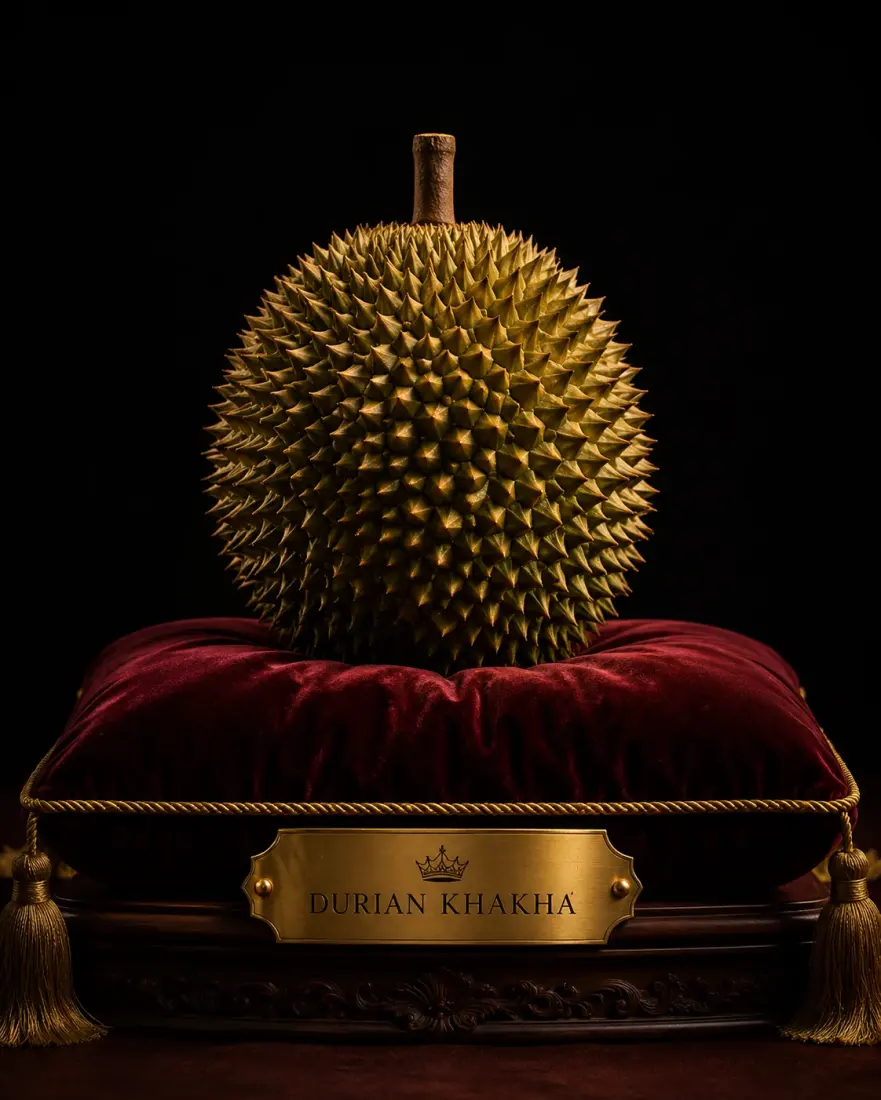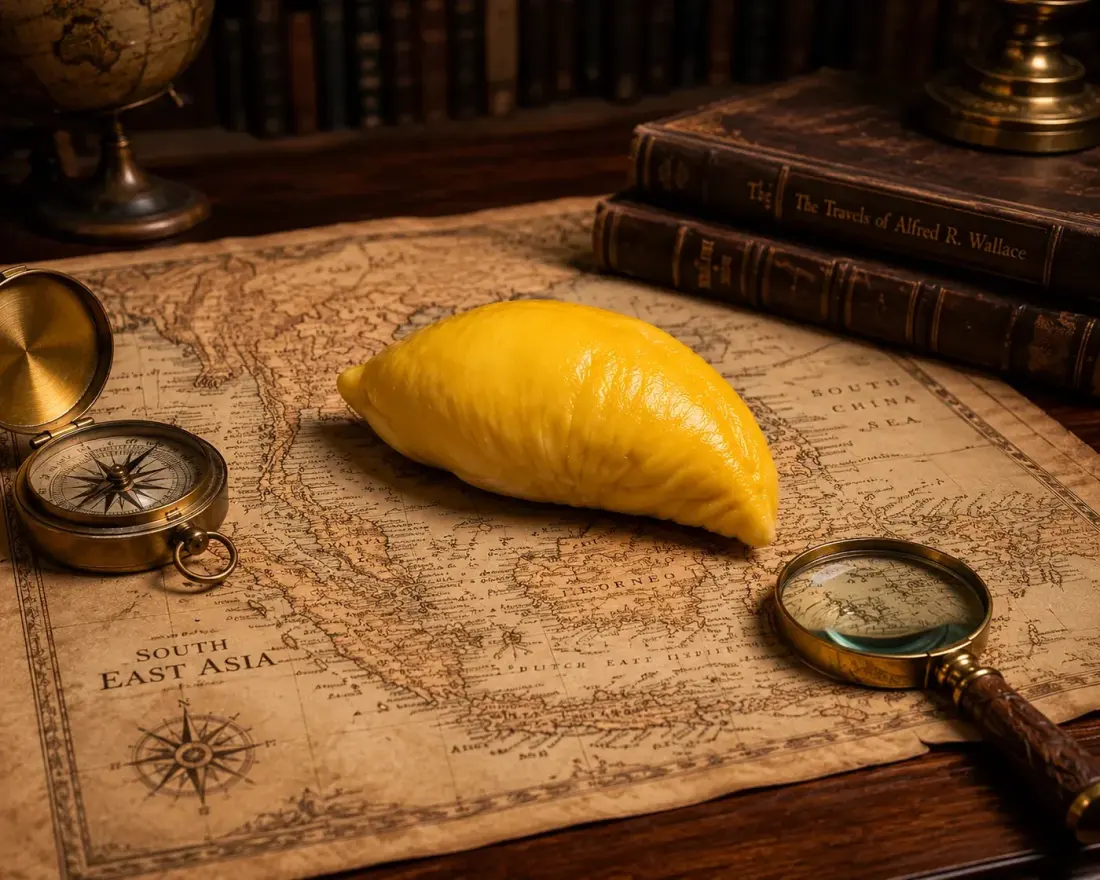
Walk into any night market in Southeast Asia between June and August, and you will smell it before you see it. That unmistakable aroma — sweet, fermented, almost onion-like — belongs to one fruit that divides opinion like no other. The durian. Some call it the King of Fruits. Others call it the world's smelliest food. But how much do we actually know about where this fruit came from?
The story of the durian is older than most modern nations in the region. It is tangled up in colonial botany, ancient trade routes, and the quiet work of small farmers who shaped the fruit we eat today, one generation at a time.
The Botanical Origin
The durian belongs to the genus Durio, which sits inside the family Malvaceae — the same family as hibiscus and cotton. There are roughly 30 recognized Durio species, but only Durio zibethinus is widely cultivated and traded internationally. The rest grow wild in the forests of Southeast Asia, mostly in Borneo, Sumatra, and the Malay Peninsula.
Genetic studies point to Borneo as the likely centre of origin. The island's extraordinary diversity of wild Durio species suggests the genus evolved there first, then spread westward to Sumatra and the peninsula over millions of years. This is not unusual — Borneo is a biodiversity hotspot that has given the world many tropical species.
Early Human Contact
The earliest written records of durian come from European naturalists, not from the people who had been eating it for centuries. Portuguese botanist Garcia de Orta mentioned a fruit called "duria" in 1563. Later, in the 18th century, the German-born naturalist Georg Eberhard Rumphius described durian in detail while working in Ambon, Indonesia, publishing his notes in Herbarium Amboinense (1741–1750).
But these European accounts were late to the story. Indigenous communities in Borneo and the Malay Archipelago had been harvesting wild durian long before any written record. Oral traditions among the Dayak people of Borneo reference durian as a forest fruit gathered during seasonal expeditions. In Malay folklore, the fruit appears in stories that predate Islam's arrival in the region.
The fruit was not farmed in any organized way until probably the 18th or 19th century. Before that, people collected durian from forest trees. Some farmers began planting seeds near their villages, and over decades, selected trees that produced better fruit. This slow, informal breeding is how most of the early durian varieties came to be.
The Colonial and Trade Era
When the British and Dutch established plantations across Malaya and the East Indies in the 19th century, durian was not a priority crop. Rubber, palm oil, and spices got the investment. Durian remained a village fruit, sold at roadside stalls and local markets.
However, colonial botanists did take notice. The Singapore Botanic Gardens, established in 1859, began cataloguing durian varieties. By the early 1900s, there were records of named varieties in Peninsular Malaysia — local names like "Kampung Durian" types that farmers had been growing for generations.
The real shift came after independence. As Malaysia, Thailand, and Indonesia developed their domestic economies in the mid-20th century, durian went from a seasonal village fruit to a commercial crop. Thailand, in particular, invested heavily in durian agriculture. By the 1990s, Thai growers had developed varieties like Monthong and Chanee that could be harvested, chilled, and exported. Thailand became — and remains — the world's largest durian exporter.
The Modern Durian Economy
Today, the global durian market is worth several billion dollars annually. China drives demand. A single Musang King from Peninsular Malaysia can sell for 80–150 RMB in a Shanghai supermarket. The fruit that was once gathered freely from Bornean forests now moves through cold-chain logistics, customs inspections, and e-commerce platforms.
But the origin story matters. Every Musang King, every D24, every Monthong traces back to wild trees in the rainforests of Borneo and Sumatra. The genetic base is still narrow compared to what grows in the wild. Conservationists worry that as forests are cleared for oil palm, we are losing wild Durio species before we even study them.
Practical Takeaway
If you eat durian today, you are tasting a fruit whose history stretches back millions of years in the forests of Borneo. The varieties we know are the result of centuries of informal selection by farmers, followed by decades of modern breeding and commercialization. Understanding this history helps explain why the fruit is so culturally important across Southeast Asia — and why protecting its wild relatives matters for the future.
Fresh durian, farm-direct. Stock changes daily — WhatsApp us before you visit.
Check Today's Stock