Short answer: Only a tiny taste, and it's better to skip it. Plain durian flesh isn't acutely toxic, but its sugar and fat can cause vomiting and diarrhoea. Never let pets near the seeds or husk: seeds can choke them or block the gut. If your pet ate a seed, call a vet.
You're eating durian and your dog is staring at you with those eyes. Or your cat has already batted a seed across the kitchen floor. Before you share, it's worth knowing what's actually safe — and what isn't.
Can Dogs Eat Durian?
The short answer: the flesh in small amounts is not acutely toxic to dogs, but it comes with real caveats that make it a risky treat.
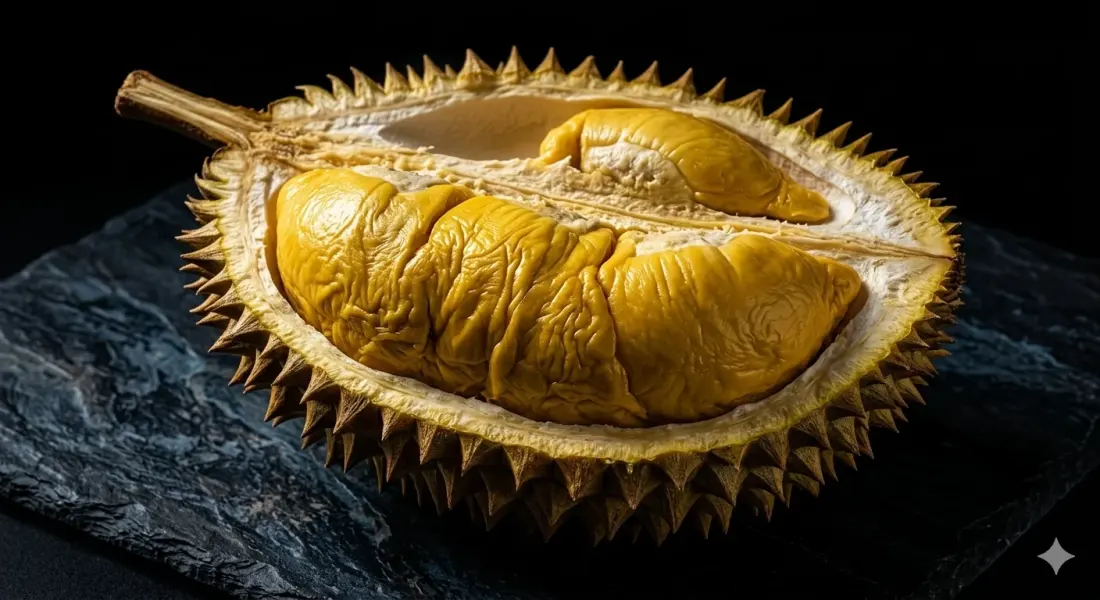
Durian flesh contains high levels of sugar and fat. A single 100g serving has roughly 5g of fat and 27g of carbohydrates. For a medium-sized dog, that is a significant metabolic load. Repeated exposure can contribute to obesity, pancreatitis, and blood sugar dysregulation.
More critically: the seeds are dangerous. Raw durian seeds contain cyclopropene fatty acids and are not meant to be eaten raw. The seeds are also a choking hazard and large enough to cause intestinal obstruction. Never allow a dog access to durian husk.
Can Cats Eat Durian?
Cats are obligate carnivores. Their digestive systems are not designed for high-sugar, high-carbohydrate foods — and durian is one of the most sugar-dense fruits available.
Most cats will not show interest in durian flesh because they lack sweet taste receptors. If a cat eats a small amount of durian flesh, acute toxicity is unlikely. But the high sugar and fat load can cause vomiting, diarrhea, and lethargy. Durian seeds should be kept completely away from cats.
Which Parts Are Safe vs. Dangerous
- Flesh (small amounts): Low acute toxicity risk for dogs; not recommended for cats. High sugar and fat means no regular feeding.
- Seeds: Dangerous for both dogs and cats. Raw seeds contain cyclopropene fatty acids. Risk of choking and GI obstruction.
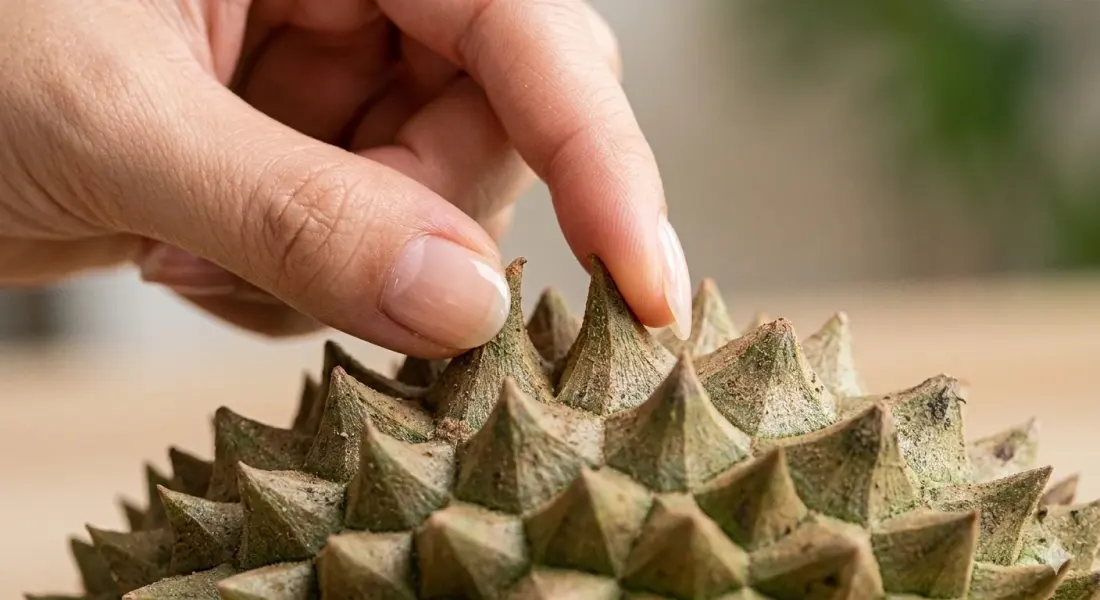
- Husk and shell: Do not allow access. Sharp spines cause mouth and throat injury. Not digestible.
- Inner white skin: Not toxic but not digestible. Avoid.
Signs of Durian Toxicity in Pets
If your pet has eaten durian seeds or a large quantity of flesh, watch for:
- Vomiting or diarrhea (within 1 to 4 hours)
- Lethargy or weakness
- Tremors or seizures
- Loss of coordination or stumbling
- Bloating or abdominal discomfort
- Excessive drooling
Seed ingestion with any of these symptoms warrants immediate veterinary attention.
What to Do If Your Pet Ate Durian
Flesh only, small amount: Monitor for GI upset. Withhold food for a few hours, provide fresh water. Contact your vet if symptoms persist beyond 24 hours.
Seeds ingested: Contact a veterinarian immediately. Do not induce vomiting unless specifically instructed.
Large quantity of flesh: Call your vet. High fat intake can trigger pancreatitis in dogs, which is a medical emergency.
Common Questions
A small amount of plain durian flesh (no seed, no husk) is not acutely toxic for most healthy adult dogs. Keep it to under 10g for medium-sized dogs, and not more than once a week. Dogs with diabetes, pancreatitis history, or obesity should not have durian at all.
Contact a veterinarian immediately. Durian seeds can cause choking or intestinal blockage, and raw seeds contain cyclopropene fatty acids. Do not wait for symptoms to appear.
The aroma itself is not harmful. It is sulfur-based volatile compounds that dissipate quickly. Some animals may show stress responses to strong unfamiliar smells.
Commercial pet treats labelled as durian-flavored typically use durian extract or artificial flavouring in controlled quantities, formulated to be safe.
Yes. Apple seeds, cherry pits, peach pits, and apricot seeds contain cyanogenic compounds. Mango seeds are too large and cause obstruction. Most fruit seeds are not safe for pets.
Sources
- Berry SK (1980). Cyclopropene fatty acids in some Malaysian edible seeds and nuts: I. Durian (Durio zibethinus, Murr.). Lipids 15: 452–455. Link
- U.S. Department of Agriculture. Durian, raw or frozen (FDC 168192). FoodData Central. Link
Durian Khakha is a durian grower, not a medical provider. For personal health advice, speak to your doctor.
Want to try fresh durian from our farm? We grow it at our own Bukit Serampang orchard in Tangkak, Johor, and sell it at our Melaka Mall stall. Stock varies daily — WhatsApp to confirm availability before you visit.
Ask About Today's Fruit